
Are Motiva Implants Safe? 2026 Data, Risks & FDA Facts
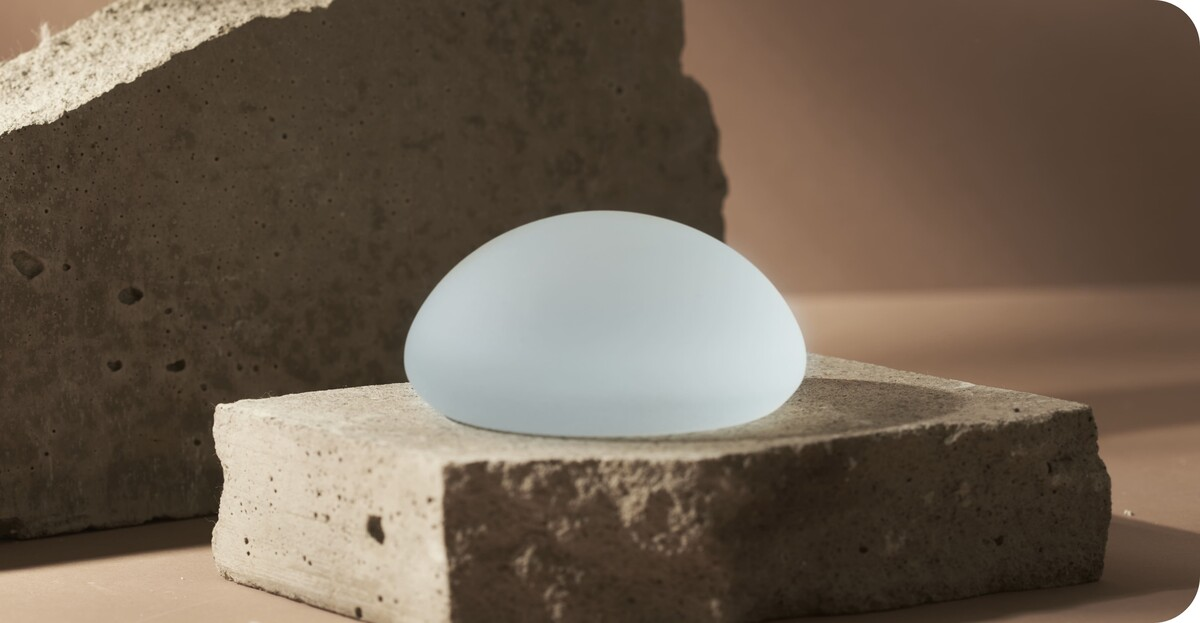
When you’re considering breast augmentation, your top question is likely a crucial one: are Motiva implants safe? Based on extensive international data and advanced safety features, Motiva implants are considered safe for the vast majority of patients. However, the complete answer isn’t a simple yes or no. It’s about understanding the rigorous process of testing, evaluation, and personalized assessment that happens long before you enter the operating room.
This guide will walk you through how medical experts and regulatory bodies determine if are Motiva implants safe. We’ll explore the layers of research, the specific safety features of modern implants, and the critical role your surgeon plays. With this knowledge, you can feel confident and empowered in your decision. For personalized advice, you can always schedule a consultation with Dr. Leela Mundra to discuss what’s best for your goals.
The Journey of an Implant: From Lab to Patient
Before an implant is ever used, it undergoes years of extensive testing. This journey is designed to answer the core question: are Motiva implants safe for long term use?
Preclinical Studies: The First Safety Check
The very first step is the preclinical study. This is research done in a laboratory, not on humans. Scientists conduct engineering tests, stress simulations, and animal studies to gather initial evidence on safety and performance. The goal is to spot any major issues before human trials even begin.
For example, when developing implants with new technology, like the RFID microchip in some Motiva implants, a preclinical study is essential. Researchers conducted lab tests back in 2012 to confirm the tag could be read through the implant’s silicone shell and that it could withstand the manufacturing sterilization process without damage. Only after passing these preclinical hurdles can a device move on to human testing.
Core Clinical Studies: The Human Evidence
Next is the core clinical study, which is the main event in proving safety and effectiveness. This is a formal, multi year trial involving human participants that provides the pivotal evidence for regulatory bodies like the FDA.
When a new implant is developed, its manufacturer will conduct a core study on hundreds of patients. They track outcomes over a long period, often ten years, measuring things like complication rates and patient satisfaction—see our patient reviews for real-world feedback. For instance, 10 year clinical data on modern cohesive silicone implants demonstrated low rates of complications like rupture, which was critical information for their approval. This long term data is essential to confidently determine if implants are safe for the general population.
Making the Call: The Benefit-Risk Conclusion
After all the data is collected, regulators and doctors must make a benefit–risk conclusion. This is the formal determination of whether a medical treatment’s expected benefits outweigh its potential risks. This conclusion is central to determining if are Motiva implants safe for the public. A device is only approved if the positive outcomes, such as improved patient satisfaction, clearly justify any known complications.
This conclusion isn’t set in stone. It can change if new information emerges. A prominent example is the increased scrutiny of certain textured implants linked to a rare lymphoma (BIA ALCL). As this serious risk became clearer, regulators updated warnings and recalled some products because the benefit risk balance had shifted. This shows the system is designed to adapt to protect patients.
Your Personal Safety Profile
Beyond the general safety approval of a device, the question are Motiva implants safe becomes a personal one. This is where your surgeon’s expertise is vital.
Your Individual Safety Assessment
A safety assessment is a thorough evaluation of potential risks. Before any surgery, a responsible surgeon will conduct a detailed personal safety assessment, which is the final step in determining if are Motiva implants safe for you personally. If you’re wondering what to expect at a consultation, we outline the process in detail. This involves reviewing your medical history, current health, medications, and lifestyle to identify any factors that could increase your surgical risk. Because cosmetic surgery is elective, avoiding preventable complications is the top priority.
Identifying Contraindications
This assessment helps identify any contraindications, which are specific reasons a treatment should not be used.
Absolute Contraindication: A hard stop. An active infection, for example, is an absolute contraindication for elective surgery because of the high risk of complications.
Relative Contraindication: A reason for caution. A mild chronic condition might be a relative contraindication, meaning the surgeon will weigh the risks carefully before proceeding.
A thorough screening for contraindications ensures that surgery is only performed when it is truly safe for you.
Understanding the Risks: Effects, Warnings, and Precautions
Part of making an informed decision is understanding what could go wrong, even if it’s unlikely.
Potential Adverse Effects
A potential adverse effect is any undesired or harmful outcome that could occur. In surgery, these are often called complications. Common examples include bleeding, infection, or scarring.
It’s important to keep these risks in perspective. Studies of accredited outpatient facilities show that fewer than 1% of patients experience a major complication after a cosmetic procedure. If a complication does occur, options like revision breast augmentation can address concerns and help you achieve your goals. Mortality rates are even lower, around 0.0015% (or 1 in 66,000 surgeries). Knowing the potential effects isn’t meant to scare you, but to empower you to partner with your doctor for the safest possible outcome.
Warnings and Precautions
Warnings and precautions are official safety statements that alert patients and doctors to potential risks and how to manage them. A warning typically signals a more serious hazard, while a precaution refers to a safety measure for less severe issues.
In October 2021, the FDA mandated stronger safety measures for all breast implants. This includes a boxed warning (the FDA’s most serious type) on packaging to highlight risks like BIA ALCL and the fact that implants are not lifetime devices. The FDA also now requires a patient decision checklist that you must review and sign, ensuring you are fully informed of the benefits and risks before proceeding.
Innovation in Safety: Breast Implant Imaging with RFID
The ongoing quest to make breast implants safer has led to technological advancements. Answering “are Motiva implants safe” involves looking at these next generation features.
Motiva implants are known for incorporating breast implant imaging RFID technology, marketed as Q Inside Safety Technology. This involves placing a tiny, passive Radio Frequency Identification (RFID) microchip inside the implant. This chip, about the size of a grain of rice, stores the implant’s unique serial number, size, and model details.
A doctor can use a special handheld scanner to read this chip from outside the body, instantly verifying the implant’s information without an invasive procedure. This is incredibly useful in the event of a product recall or safety alert, as a quick scan can confirm if your implant is an affected model. The passive chip has no battery and is encased in biocompatible glass, a technology cleared by the FDA for human implantation back in 2004.
This feature adds another layer of security and information, giving both patients and surgeons greater peace of mind. While this technology has been available in Europe for years, the manufacturer is working toward FDA approval in the United States. For a quick overview, browse our patient education videos. If you’re curious about the latest implant technologies, Dr. Leela Mundra can provide expert insights during a private consultation.
Frequently Asked Questions
So, are Motiva implants safe?
The safety of Motiva implants is supported by their adherence to rigorous international standards, extensive preclinical and clinical data, and innovative features like the Q Inside Safety Technology. Like all medical devices, they have potential risks, but their overall safety profile is considered strong. To compare option types and techniques, explore our breast procedures. The final determination of whether they are safe for you depends on a thorough evaluation by a qualified plastic surgeon.
What makes Motiva implants different in terms of safety?
A key safety feature of Motiva implants is the optional Q Inside Safety Technology, an FDA cleared RFID microchip that allows for non invasive implant identification. This can be crucial for long term tracking and in the rare event of a product advisory.
What are the most common risks with any breast implant?
The most common potential adverse effects for any breast implant include capsular contracture (scar tissue tightening around the implant), implant rupture or deflation, and changes in nipple or breast sensation. Serious complications are rare, occurring in less than 1% of patients in accredited facilities.
How does a surgeon determine if I am a safe candidate for implants?
A surgeon performs a comprehensive safety assessment. This includes reviewing your complete medical history, discussing any existing health conditions, and performing a physical exam. This process identifies any contraindications (reasons not to have surgery) and ensures you are in good health to minimize risks.
Are Motiva implants FDA approved?
Motiva implants have been approved for use in over 80 countries worldwide, including Europe where they have a CE Mark. Motiva implants received FDA approval in the United States after rigorous clinical trials. This rigorous process is the final regulatory step in the U.S. to officially determine that are Motiva implants safe for American patients.
What is a core clinical study for breast implants?
A core clinical study is the main, large scale human trial required by regulatory bodies like the FDA to prove a new implant is safe and effective. These studies follow hundreds of patients for up to 10 years to gather long term data on performance and complication rates.