
Breast Fat Transfer Side Effects: Risks & Recovery (2026)
Breast fat transfer is a beautifully natural approach to breast augmentation, using your own tissue to enhance shape and volume. It’s an appealing two‑in‑one procedure, slimming one area via liposuction while augmenting another. While the results can be stunning and feel completely natural, it’s important to have a clear picture of the recovery process. The most common breast fat transfer side effects are temporary and part of the healing process, including swelling, bruising, and soreness. Understanding the full range of potential outcomes, from the totally normal to the very rare, empowers you to heal with confidence.
Being informed isn’t about creating anxiety, it’s about knowing what to expect so you can navigate your recovery smoothly. Let’s walk through the side effects and complications, breaking them down into what’s common, what’s specific to fat grafting, and what’s rare but important to know.
The Normal and Expected: Your Body’s Healing Process
Every surgery involves a healing phase, and breast fat transfer is no different. You’ll experience effects at both the liposuction site (where fat was taken) and in the breasts. These are typically temporary and a sign that your body is repairing itself.
Swelling, Bruising, and Redness
After your procedure, expect to see some puffiness and a rainbow of colors.
Swelling (Edema): This is your body’s primary response to surgery. Swelling is most noticeable in the first few days and gradually subsides over weeks. While much of it resolves within one to two months, you might see subtle improvements for up to six months as the last bit of fluid disappears.
Bruising and Skin Discoloration: Bruising is also extremely common. Damaged capillaries leak a bit of blood, which your body reabsorbs over one to three weeks. The area might look red or purple at first, then fade to blue, green, and yellow.
Redness: The incision sites and surrounding skin will be pink or red. This is due to increased blood flow for healing and is perfectly normal. This initial redness should improve, though scars may remain pink for several months before fading.
Pain, Numbness, and Scars
Your comfort and long term results are paramount.
Pain: Postoperative pain is expected, especially in the first 48 to 72 hours. Your surgeon will create a pain management plan for you, which is crucial for a comfortable recovery. Studies show that while 20 to 40% of patients report severe pain right after surgery in general, modern multimodal approaches make it very manageable.
Numbness: It’s common to have temporary numbness or a “pins and needles” feeling around the incisions or treated areas. Tiny sensory nerves are disrupted during surgery and need time to regrow. For most patients, sensation returns over several months to a year.
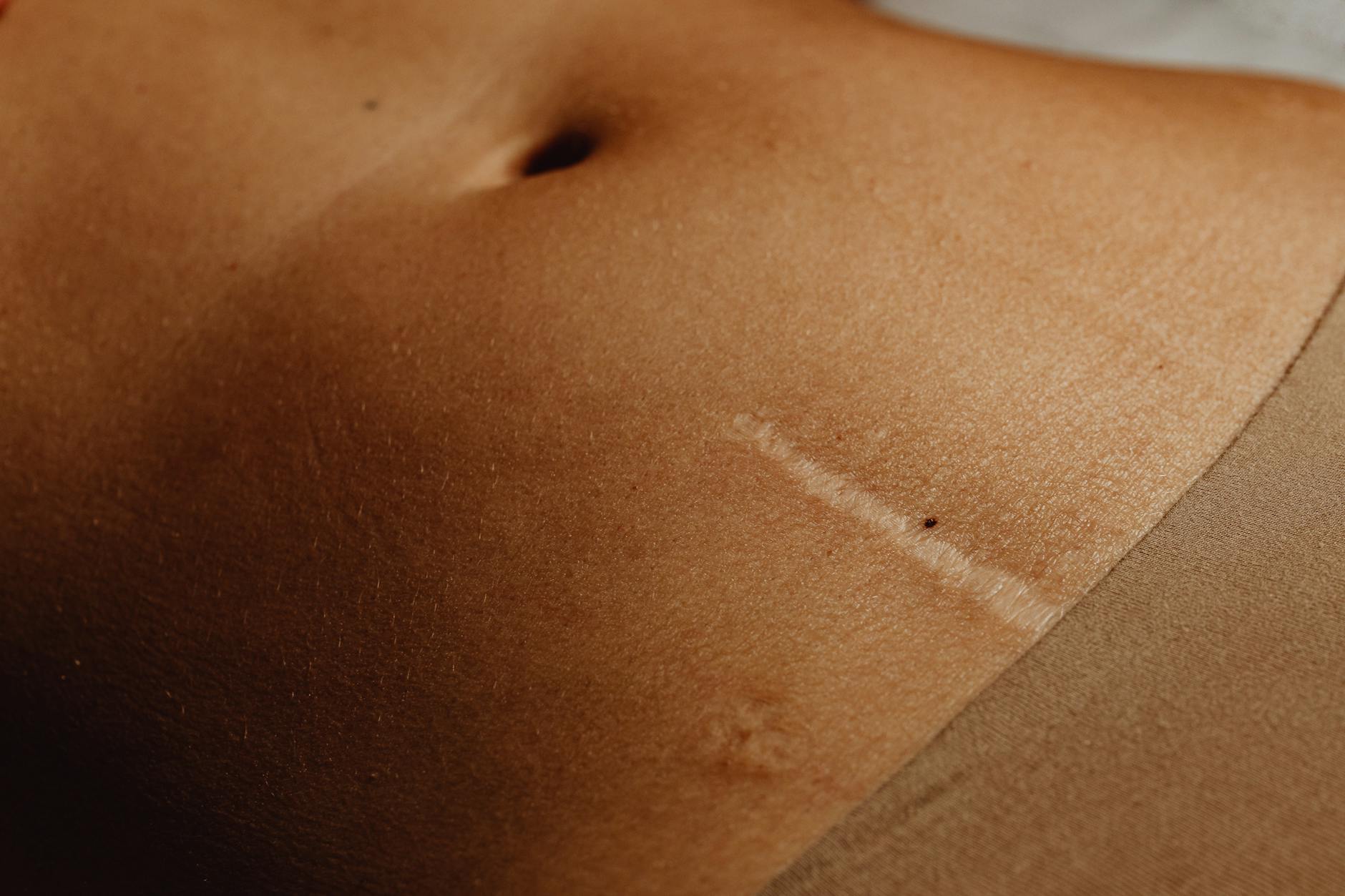
Scar: A scar is an inevitable part of any incision. Surgeons place incisions strategically to make them as discreet as possible. Initially, scars will be red and slightly raised, but they typically flatten and fade over 12 months.
Side Effects Specific to Fat Grafting in the Breasts
Beyond the universal signs of healing, there are some breast fat transfer side effects unique to the procedure itself. These relate to how the transferred fat settles and survives in its new home.
Fat Survival and Resulting Shape
The biggest variable in fat transfer is how many of the delicate fat cells survive.
Fat Reabsorption: Not all of the transferred fat will establish a new blood supply. On average, you can expect about 50 to 70% of the fat to survive long term. The rest is safely and naturally reabsorbed by your body. This is why your surgeon may initially place slightly more fat than needed to account for this expected volume loss.
Change in Breast Shape and Uneven Skin: Because some fat is reabsorbed, the final breast shape can sometimes have subtle contour irregularities. If fat survival is uneven, it could lead to minor asymmetry or a slightly uneven skin surface. If your priority is a higher, tighter breast position rather than added volume, a breast lift may be recommended.
Fat Migration: Many patients worry about fat “moving,” but this is largely a myth. Properly grafted fat that survives becomes integrated into your breast tissue. It will not migrate to other parts of your body.
Lumps, Bumps, and Cysts
Feeling a small lump after fat transfer can be alarming, but it’s often a benign and known side effect.
Fat Necrosis: This is the medical term for fat cells that did not survive the transfer. The body’s response can be to form a firm, painless lump. While benign, these lumps can sometimes be felt under the skin. Studies show palpable nodules (often due to fat necrosis) are a common complication, occurring in about 11.5% of patients.
Breast Cyst (Oil Cysts): Sometimes, an area of fat necrosis liquefies, and the body walls it off, creating a benign, fluid filled sac called an oil cyst. These are harmless and can sometimes be drained with a needle if they are bothersome.
Calcification: As the body heals from fat necrosis, it can deposit tiny specks of calcium. These are known as calcifications and can appear on a mammogram.
Mammogram Microcalcification Impact: A key concern for patients is whether these changes will interfere with future breast cancer screening. Research is reassuring. Studies have found that calcifications from fat grafting are generally distinguishable from malignant ones by experienced radiologists. In fact, one study found that fat grafted breasts had fewer biopsy recommendations (around 6.5%) than breasts that had undergone reduction surgery (15.2%).
Rare But Serious Complications to Be Aware Of
While the vast majority of breast fat transfer procedures go smoothly, all surgeries carry some risk. An expert surgeon takes every precaution to prevent these, but it’s important for you to know the signs.
Issues at the Surgical Site
Infection: Surgical site infections are rare in cosmetic surgery, with rates generally under 1%. Signs include spreading redness, worsening pain, warmth, pus draining from an incision, and fever. Prompt treatment with antibiotics is usually effective.
Bleeding and Haematoma: A haematoma is a collection of blood under the skin. Minor bleeding or oozing is normal, but a rapidly expanding, firm, and painful swelling could signal a larger haematoma that may need to be drained. The incidence in breast procedures is low, around 0.6% to 5.7%.
Systemic and Anesthesia Risks
Blood Clot (DVT/PE): Deep vein thrombosis (a clot in the leg) and pulmonary embolism (a clot that travels to the lungs) are among the most serious surgical risks. While rare in cosmetic patients (less than 1%), it is the leading cause of postoperative mortality. Your surgical team will use preventive measures like compression devices and encourage early movement.
Fat Embolism: This is a very rare but serious complication where fat droplets enter the bloodstream and travel to the lungs. It is more associated with high volume liposuction. Symptoms include sudden shortness of breath and confusion. Safe injection techniques, like keeping fat in the subcutaneous plane, dramatically reduce this risk.
Pneumothorax: A collapsed lung is an extremely rare risk of liposuction on the torso, occurring when an instrument accidentally punctures the lung lining. The incidence is estimated at just 0.04%.
Allergic Reaction to Anesthesia: True, life threatening anaphylaxis to anesthesia is exceptionally rare, occurring in roughly 1 in 4,000 to 25,000 cases.
Nausea and Vomiting: Postoperative nausea and vomiting (PONV) is a common side effect of anesthesia, affecting about 20 to 30% of patients. It is usually short lived and managed with medication.
Partnering With Your Surgeon for the Best Outcome
Understanding the full spectrum of breast fat transfer side effects is the first step toward a safe and successful procedure. The second, and most important, is choosing a plastic surgeon with extensive experience in fat grafting. If you’re aiming for fuller upper‑pole volume and lift in a single operation, ask about breast augmentation with lift.
Dr. Leela Mundra prioritizes patient education and safety above all else. During your consultation, she will discuss these potential outcomes in detail. Learn what to expect at a consultation to feel fully prepared. Her meticulous technique and concierge approach to care are designed to minimize risks and support you at every stage of your journey. If you are ready to explore your options, we invite you to schedule a consultation to receive personalized advice.
Frequently Asked Questions
Prefer to watch? Explore our patient education videos on recovery and results.
What are the most common breast fat transfer side effects?
The most common side effects are temporary and part of the normal healing process. These include swelling, bruising, soreness, and numbness at both the fat donor site and in the breasts. These typically resolve over a few weeks to months.
Will I get permanent lumps in my breasts after fat transfer?
It is possible to develop small, firm lumps from fat necrosis (fat cells that didn’t survive). These are benign and often shrink over time. Oil cysts can also form. While most lumps are harmless, any new or persistent lump should always be evaluated by your surgeon.
How much of the transferred fat will actually survive?
Typically, 50% to 70% of the transferred fat cells will survive long term. Your surgeon will account for this anticipated loss by slightly overfilling the area to achieve the desired final contour after the initial swelling and reabsorption phase.
How can I minimize the side effects of breast fat transfer?
The best way is to choose a highly qualified, plastic surgeon. Following all of your surgeon’s preoperative and postoperative instructions is also critical. This includes wearing compression garments, avoiding smoking, eating a healthy diet, and attending all your follow up appointments.
Can breast fat transfer make it harder to detect breast cancer?
This is a valid concern. The procedure can cause benign calcifications and oil cysts that appear on mammograms. However, experienced radiologists can usually distinguish these postsurgical changes from suspicious findings. It is crucial to inform your radiologist about your surgical history.
Is fat embolism a high risk with breast fat transfer?
No, fat embolism is not a high risk when the procedure is performed correctly by a skilled surgeon. It is a very rare complication. Safe surgical techniques, such as avoiding injection into the muscle, are key to prevention. For personalized information on minimizing all breast fat transfer side effects, contact Dr. Leela Mundra’s office in Denver.