
Labiaplasty Surgeons 2026 | Guide to Choosing the Best
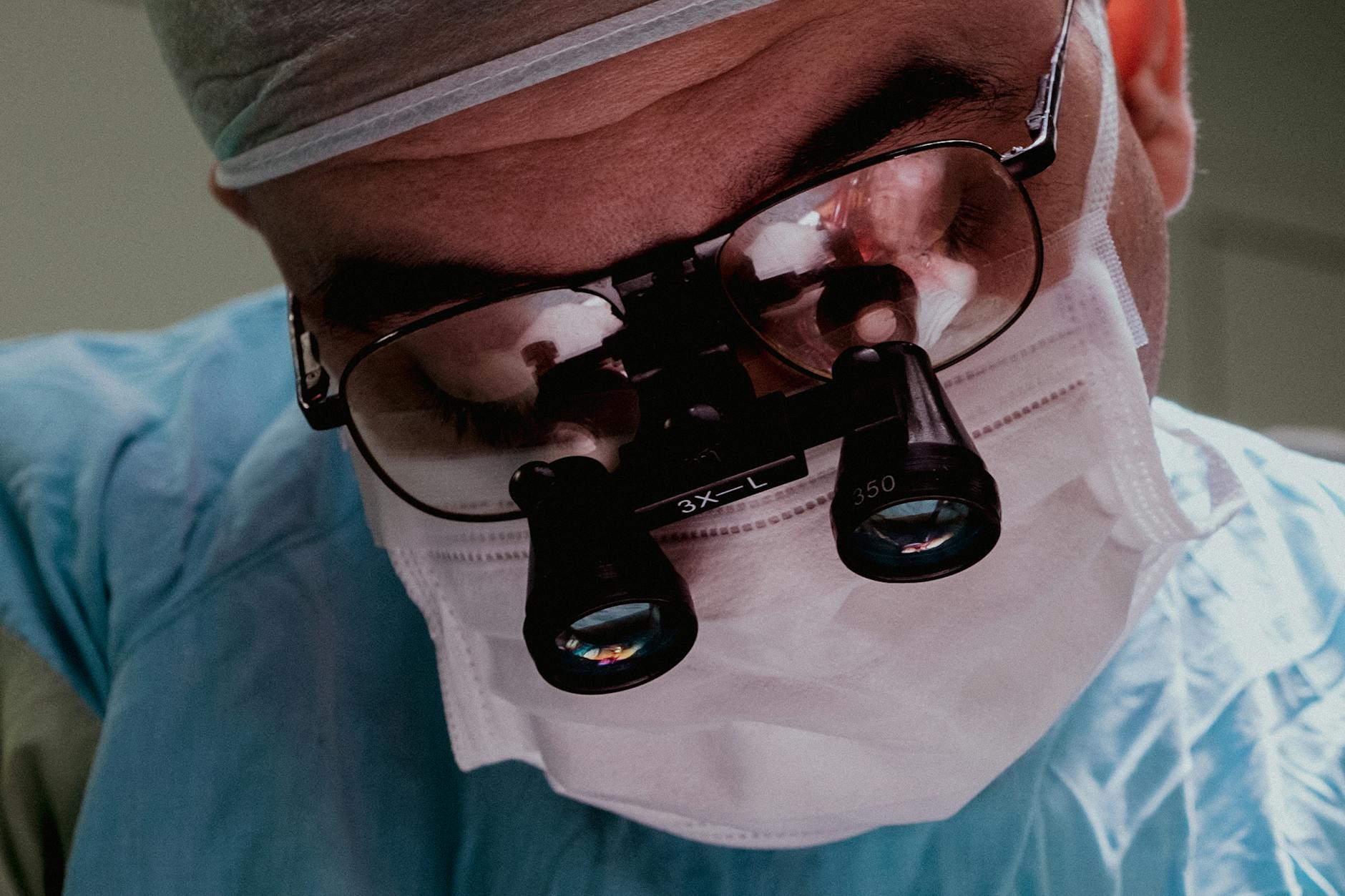
Deciding to have a labiaplasty is a personal choice, and finding the right professional is the most critical step in your journey. The skill and experience of your surgeon directly influence your safety, your comfort, and the quality of your results. This guide walks you through everything you need to know, from verifying credentials to understanding recovery, so you can confidently choose between the available labiaplasty surgeons and plan for a positive experience.
The Foundation: Vetting Qualified Labiaplasty Surgeons
Before you even think about techniques or costs, your focus should be on safety and qualifications. Here’s how to build your shortlist of the best labiaplasty surgeons.
Why Experience and Case Volume Matter
When it comes to surgical procedures, practice makes perfect. Across many types of operations, higher surgeon volume is associated with fewer complications. A surgeon who frequently performs labiaplasty is likely to be more efficient, and this matters because longer operative times can independently increase complication risks. Ask prospective labiaplasty surgeons how often they perform the procedure and what their revision rates are. The American College of Obstetricians and Gynecologists (ACOG) recommends that physicians disclose their training and outcomes for genital cosmetic procedures.
Confirm Credentials and Facility Standards
Check for active memberships in reputable professional organizations like the American Society of Plastic Surgeons (ASPS). You should also confirm that your surgeon operates in an accredited surgical facility. Accreditation from bodies like The Joint Commission, AAAHC, or QUAD A ensures the center adheres to high standards for patient safety, emergency readiness, and cleanliness.
Your Consultation: Planning for a Satisfying Result
Once you’ve identified a few qualified labiaplasty surgeons, the consultation is where you’ll find the right fit—review what to expect at a consultation. This is a two way conversation to ensure your goals align with what can be safely achieved.
Are You a Good Candidate for Labiaplasty?
A responsible surgeon will conduct a thorough evaluation of your medical, functional, and psychological readiness. ACOG emphasizes the importance of screening for body dysmorphic disorder and understanding patient motivations. It’s also important to know that there is a wide range of “normal” when it comes to labial anatomy; measurements show large variations that are not correlated with age or BMI. This procedure should be about improving comfort or confidence, not chasing an unrealistic ideal.
Understanding Labiaplasty Techniques
There isn’t one single best technique; the right approach depends on your unique anatomy and goals. The most common methods are the trim (edge resection) and the wedge resection. A 2024 systematic review of 53 studies found an overall patient satisfaction rate of about 94%, showing the procedure is very successful when performed correctly. Some techniques have different risk profiles; for example, the wedge technique has been associated with a slightly higher rate of wound separation (dehiscence).
Exploring Nonsurgical Alternatives First
For mild symptoms, ACOG recommends trying nonsurgical options before considering surgery. Simple changes like wearing supportive garments, using emollients, or adjusting the labia during exercise can sometimes provide enough relief. A consultation with an ethical surgeon should always include a discussion of these alternatives.
Combining Procedures: Is It Right for You?
Some patients choose to combine labiaplasty with other procedures, like a clitoral hood reduction or a larger mommy makeover. While this can be efficient, it’s crucial to balance goals against risk. Every additional procedure adds to the operative time, which is a known factor for increased complications in plastic surgery. Discuss the safety of your proposed plan with potential labiaplasty surgeons.
Getting Ready: From Consultation to Surgery Day
Proper preparation is key to a smooth procedure and recovery. Your surgeon’s team should provide you with detailed instructions.
Your Preoperative Plan
During your consultation, be ready to share your complete medical history, including all medications and supplements. Many common supplements like fish oil, ginkgo, and garlic can increase bleeding risk and must be stopped before surgery. If you smoke, you will be required to quit. Quitting at least four to six weeks before surgery can reduce wound healing complications by up to 50%.
Anesthesia Options
Labiaplasty can be performed under local anesthesia with sedation or under general anesthesia. Both are safe and accepted approaches. The choice depends on the complexity of your procedure, your personal comfort level, and your surgeon’s recommendation. For procedures using sedation in an office setting, the American College of Surgeons recommends that the facility be accredited and that patients be selected appropriately based on their health status.
Surgery Day and Your Recovery Journey
Knowing what to expect can help ease any anxiety about the procedure and your healing process.
The Labiaplasty Procedure
The surgery itself typically takes one to two hours and is performed as an outpatient procedure, meaning you go home the same day. The surgeon reduces the excess tissue and uses dissolvable sutures to close the incisions.
The Recovery Timeline: Week by Week
Expect soreness, bruising, and significant swelling for the first one to two weeks. Most patients take this much time off from work. You’ll need to avoid vigorous exercise and sexual activity for about four to six weeks. While most swelling subsides by six weeks, final results can take four to six months to fully appear.
Risks, Complications, and How to Minimize Them
While satisfaction rates are very high, all surgery carries risks. The most common issues are wound separation (dehiscence) and asymmetry. Following all your surgeon’s preoperative and postoperative instructions, especially those about smoking and activity restrictions, is the best way to reduce your risk.
A Note on Revision Labiaplasty
The need for a second surgery is uncommon. A long term literature review found the rate of revisional surgery to be around 5.6%. The most common reasons for revision are asymmetry or residual excess tissue. If you have concerns after your initial healing period, discuss them with your surgeon.
Making an Informed Final Decision
Before you book your surgery, take these final steps to ensure you’re making a well rounded choice.
How to Evaluate Before and After Photos
Before and after photos are helpful, but they should be viewed with a critical eye. Look for consistency in lighting, angles, and patient posing. A high quality gallery will show results from various angles and at different points in the healing process.
Reading Patient Reviews and Testimonials
Patient reviews can offer valuable insight into a surgeon’s practice style and patient care. Cross reference testimonials on the surgeon’s website with independent review platforms. The Federal Trade Commission has guidelines that state advertising should reflect what most consumers can expect, so be wary of sites that only show perfect five star reviews.
A Personalized Approach to Labiaplasty in Denver
Choosing from the many labiaplasty surgeons in Denver is a big decision. If you value a discreet, education first approach with a female plastic surgeon, consider a consultation with Dr. Leela Mundra. Her boutique practice is built on providing personalized care and natural looking results tailored to your goals. Dr. Leela’s background includes an Integrated Plastic Surgery residency and a prestigious Harvard Aesthetic Surgery Fellowship, giving her a deep understanding of advanced techniques for refined outcomes.
For those in the Denver area or even considering travel from places like Tampa or St. Pete, a private consultation can help you explore your options in a comfortable setting. You can request a consultation to discuss your goals with Dr. Leela today.
Frequently Asked Questions About Labiaplasty Surgeons
Which labiaplasty technique is the best?
There is no single “best” technique. An experienced surgeon will recommend an approach (like the trim or wedge method) based on your specific anatomy and desired outcome.
What is the average recovery time for a labiaplasty?
Most patients take one to two weeks off from work. Swelling and soreness are common during this time. You’ll need to avoid strenuous activities, exercise, and intercourse for four to six weeks.
How do I know if I am a good candidate?
A good candidate is a healthy individual with realistic expectations who is seeking to relieve physical discomfort or improve their self confidence. A thorough consultation with a qualified plastic surgeon is the best way to determine your candidacy.
How much does labiaplasty typically cost?
The total cost, including surgeon, anesthesia, and facility fees, often ranges from $4,000 to $8,000 or more. The final price depends on your location and the complexity of your surgery.