
What Is a Mini Tummy Tuck? Cost, Candidates & Results (2026)
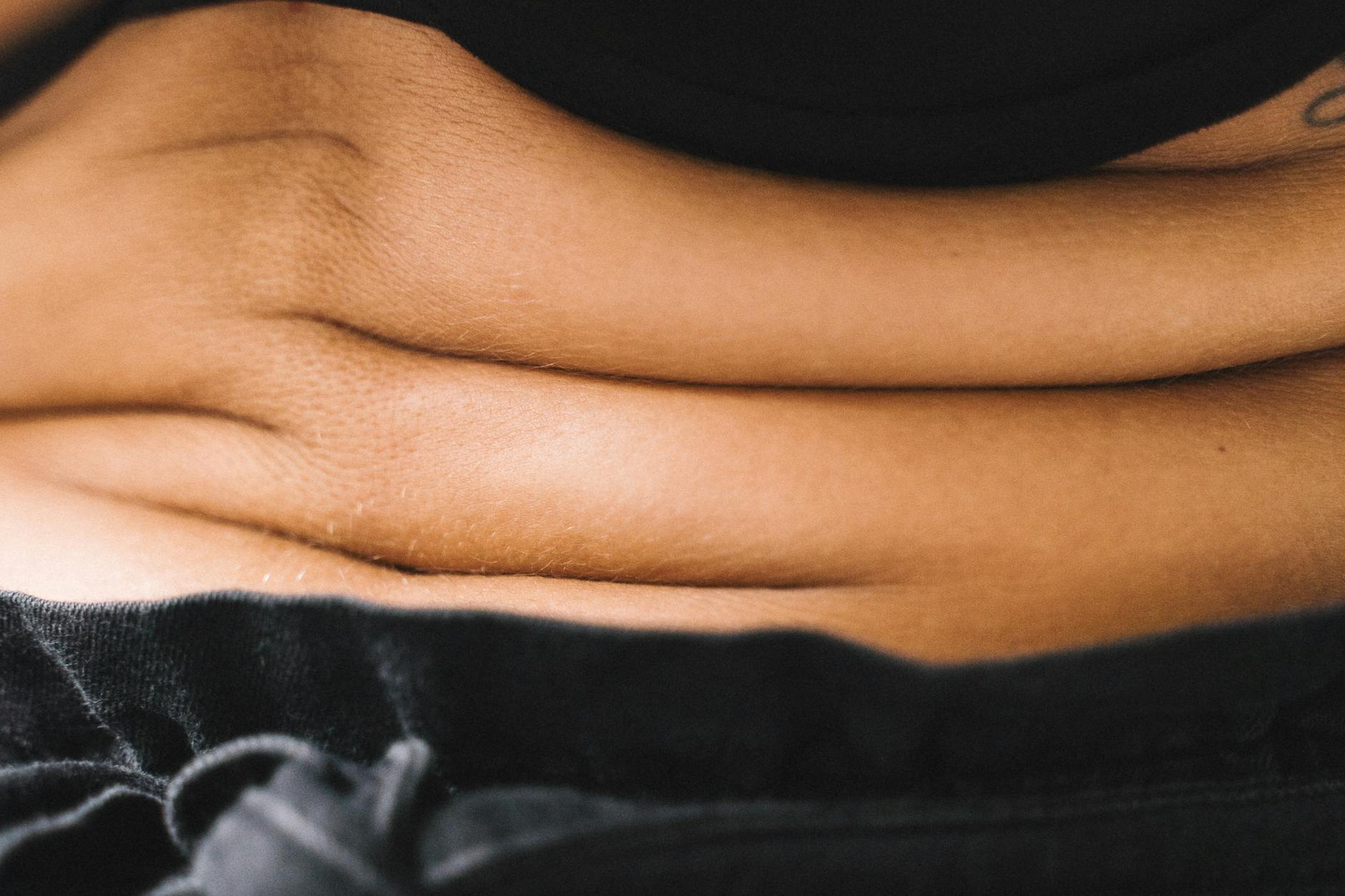
Ever heard of a tummy tuck and wondered if there was a less intense version? There is, and it’s called a mini tummy tuck. If you have a small, stubborn pooch below your belly button that just won’t go away with diet and exercise, understanding what is a mini tummy tuck could be the key to achieving your goals.
A mini tummy tuck, also known as a partial abdominoplasty, is a cosmetic procedure designed to remove excess skin and fat from the lower abdomen. It’s a less invasive option than a full tummy tuck, focusing exclusively on the area below the navel. This targeted approach results in a shorter incision, a quicker recovery, and a beautifully flatter lower tummy.
If you’re considering ways to firm up a lower belly bulge, it’s wise to consult with a plastic surgeon in Denver. At Leela Mundra MD, a boutique plastic surgery practice in Denver, Dr. Leela Mundra can explain whether a mini tummy tuck is your best option or if a full tummy tuck would better suit your goals. She emphasizes natural looking results and will help you make an informed choice in a personalized consultation.
Who Is a Good Candidate for a Mini Tummy Tuck?
A mini tummy tuck isn’t for everyone. The ideal candidate is someone who is already close to their ideal body weight but struggles with a small amount of loose skin or a stubborn fat pouch located specifically below the belly button.
You might be a great candidate if:
You are in good overall health and maintain a stable weight.
You have a slight lower belly “pooch” from mild weight changes or a pregnancy.
You have good skin elasticity and muscle tone in your upper abdomen.
You have realistic expectations about the outcome.
You are finished having children, as a future pregnancy could stretch the skin again.
This procedure is not a weight loss solution. It’s a contouring surgery for people looking to fine tune an area that hasn’t responded to traditional fitness and nutrition efforts.
Wondering if you’re a good candidate for a mini tummy tuck in Denver? It often helps to meet with a qualified plastic surgeon for an evaluation. Learn what to expect at a consultation with Harvard trained Dr. Leela Mundra—comprehensive one-on-one visits at her Denver office where she will assess your abdominal area and discuss your goals. This personalized approach ensures you understand all your options.
What Area of the Abdomen Does a Mini Tummy Tuck Target?
The name says it all. A mini tummy tuck is a highly targeted procedure focused only on the lower part of the abdomen. The entire surgery, from skin removal to tightening, happens in the region between your pubic area and your belly button.
This procedure is perfect for addressing:
Loose skin confined to the lower belly
A small fat deposit creating a pouch below the navel
Stretch prone skin rolls in the infra umbilical area
It’s important to know what a mini tummy tuck does not address. The upper abdomen (the area above your belly button) is left untouched. Any concerns like sagging skin or excess fat above the navel would require a full tummy tuck for correction. In short, the treatment area is exclusively the lower abdominal wall, making it ideal for improving that small bulge below the belly button.
How Is a Mini Tummy Tuck Performed?
The mini tummy tuck procedure is straightforward and efficient. A surgeon makes a single, short horizontal incision low on the abdomen. Through this opening, they lift the skin and fat of the lower abdominal wall to a limited degree.
If there is minor muscle separation below the navel, the surgeon can perform a limited repair by stitching the lower rectus muscles together. Next, the excess skin and fat are carefully removed. The remaining skin is then pulled down for a smoother, flatter contour, and the incision is closed with sutures. Many mini tummy tucks can be performed with IV sedation, also known as twilight anesthesia, instead of full general anesthesia because the surgical area is smaller.
At Leela Mundra MD, we prioritize patient education through every step of the procedure. Dr. Mundra takes time to explain the surgical plan in detail during pre operative appointments. This concierge approach means you’ll go into surgery feeling informed and confident about what will happen during your mini tummy tuck.
What Kind of Incision and Scars Can I Expect?
A mini tummy tuck involves a single horizontal incision made just above the pubic hairline. It’s placed very low so that the resulting scar can be easily hidden by underwear or a bikini bottom.
The incision is significantly shorter than the one for a full tummy tuck, typically measuring between 4 to 8 inches long. For women who have had a C section, the surgeon can often use and revise the existing scar. This means you replace an old scar with a new, neater one that’s only slightly longer. The scar from a mini tummy tuck is usually thin and fades significantly over time, becoming much less noticeable within 12 to 18 months with proper care.
Does a Mini Tummy Tuck Change the Belly Button?
No, a mini tummy tuck does not change your belly button. This is one of the key differences between a mini and a full tummy tuck. Because the surgery is confined to the area below the navel, your belly button (or umbilicus) is not detached, moved, or altered in any way.
You will not have any scars on or around your belly button. While the skin below it will be tighter, which can subtly enhance its appearance, the navel itself remains untouched. This is a significant advantage for patients who are happy with the look of their belly button and want to avoid any changes to it.
Will a Mini Tummy Tuck Tighten Abdominal Muscles?
A mini tummy tuck can include minor muscle tightening, but it’s not the primary focus. While a full tummy tuck routinely repairs separated abdominal muscles (diastasis recti) from top to bottom, a mini tummy tuck offers a more limited repair.
If a patient has a slight muscle separation or slackness below the belly button, the surgeon can place a few stitches to tighten that specific area. However, a mini tummy tuck cannot fix muscle separation that extends above the navel. The procedure is best for patients who already have good muscle tone in their upper abdomen. Essentially, it is mainly a skin tightening procedure with an option for limited lower muscle repair if needed.
Is Liposuction Used with a Mini Tummy Tuck?
Yes, it is very common for liposuction to be performed at the same time as a mini tummy tuck. Surgeons often use liposuction to remove additional fat deposits from the abdomen and flanks (love handles) to create a more sculpted and harmonious result.
Combining these procedures allows for more comprehensive contouring. While the mini tuck tightens the lower abdominal skin, liposuction can slim the upper abdomen and waist, achieving a more uniform and defined midsection. A mini tummy tuck can also be combined with other procedures, like a breast augmentation or a breast lift. Many patients choose to do this as part of a mommy makeover plan.
Can a Mini Tummy Tuck Get Rid of Stretch Marks?
A mini tummy tuck can improve the appearance of stretch marks, but only those located on the excess skin that is removed. Any stretch marks on the lower abdomen, below the belly button, will be cut away with the excised skin.
However, the procedure has its limits. Stretch marks located on the upper abdomen will remain. It is a fantastic solution for eliminating stretch marks on the lowest part of the tummy, but it is not a cure for all abdominal stretch marks.
Mini vs. Full Tummy Tuck: What’s the Difference?
Choosing between a mini and a full tummy tuck depends entirely on your anatomy and goals. Here’s a quick breakdown of the key differences:
Treatment Area: A mini tuck targets only the area below the belly button. A full tuck addresses the entire abdomen, from the rib cage down.
Incision: A mini tuck uses a short, low incision (similar to a C section scar). A full tuck requires a longer, hip to hip incision plus a second one around the belly button.
Belly Button: The belly button is not moved in a mini tuck. In a full tuck, it is repositioned.
Muscle Repair: A mini tuck may involve minor muscle tightening below the navel. A full tuck includes extensive repair of the entire abdominal wall.
Recovery: Recovery is faster with a mini tummy tuck, often with a return to light activities in 1 to 2 weeks. A full tummy tuck requires a longer recovery of 2 to 4 weeks before resuming most activities. The overall complication rate for abdominoplasty is around 2%, and less invasive procedures like mini tummy tucks tend to have lower rates.
Results: A mini tuck provides a subtle but significant improvement to the lower belly. A full tuck delivers a more dramatic transformation of the entire midsection.
Not sure which tummy tuck option is right for you? Dr. Leela Mundra’s approach is to carefully evaluate each patient’s anatomy and goals during a consultation. At Leela Mundra MD (Denver, CO), you’ll get an honest recommendation.
What Is the Recovery Like?
Recovery from a mini tummy tuck is generally much quicker than from a full abdominoplasty. While you’ll need to take it easy, you won’t be bedridden.
First Week: You’ll experience some tightness and soreness, managed with prescribed medication. You will wear a compression garment to reduce swelling and support the area. Most patients take about one week off from work.
Weeks 2 to 4: You can gradually return to light, daily activities. You should continue to avoid heavy lifting (anything over 10 pounds) and strenuous exercise.
Weeks 4 to 6: Most swelling will have subsided. You can typically resume more strenuous exercise around the 6 week mark, pending your surgeon’s approval.
Long Term: The scar will continue to fade and flatten over the next 6 to 12 months.
The final results are usually visible around 6 weeks, once the majority of swelling has resolved, though subtle improvements continue for several months.
What Are the Risks and Complications?
Like any surgery, a mini tummy tuck carries potential risks, though they are generally low when performed by a plastic surgeon. Possible complications include:
Infection
Bleeding or hematoma (a collection of blood under the skin)
Seroma (fluid accumulation)
Poor scarring
Numbness or changes in skin sensation
Asymmetry
Blood clots
A mini tummy tuck is a very safe procedure with a low complication rate. Studies show that combining a tummy tuck with other procedures, like breast surgery, does not significantly increase the risk of major complications compared to a tummy tuck alone. Choosing a qualified surgeon and following all post operative instructions are the best ways to ensure a safe and smooth recovery.
What Results Can I Expect and How Long Do They Last?
You can expect a flatter, firmer, and smoother lower abdomen. The “pooch” will be gone, clothes will fit better, and you’ll likely feel more confident in your appearance. While you will see some results immediately, the final outcome is typically visible around 6 weeks after surgery.
The results of a mini tummy tuck are considered permanent. The excess skin and fat that are removed will not come back. However, to maintain your results for the long term, you must maintain a stable weight. Significant weight gain or a future pregnancy can stretch the skin and muscles again, potentially compromising the outcome. With a healthy lifestyle, you can enjoy your new contour for many years to come.
The results of a mini tummy tuck can be transformative. Under Dr. Mundra’s care, you can look forward to improvements that are not only beautiful but also long lasting.
Frequently Asked Questions About What is a Mini Tummy Tuck
1. How much does a mini tummy tuck cost?
The cost of a mini tummy tuck varies based on geographic location, the surgeon’s fee, and facility costs. It’s best to schedule a consultation for a personalized quote.
2. Is a mini tummy tuck painful?
You will experience some discomfort, tightness, and soreness after the procedure, which can be managed effectively with prescribed pain medication. Most patients find the recovery quite manageable.
3. Will I have drains after a mini tummy tuck?
Some surgeons use temporary drains to prevent fluid buildup, while others use advanced techniques that make drains unnecessary. This will be discussed during your consultation.
4. How soon can I exercise after a mini tummy tuck?
You can typically resume light walking within a few days. Strenuous exercise, especially core workouts, should be avoided for about 4 to 6 weeks to allow for proper healing.
5. What is a mini tummy tuck best for?
A mini tummy tuck is best for individuals who are at a healthy weight but have a small amount of stubborn fat and loose skin concentrated below the belly button.
6. Can I get pregnant after a mini tummy tuck?
Yes, you can have a healthy pregnancy after a mini tummy tuck. However, pregnancy will stretch the abdominal skin and muscles, which may reverse the results of your surgery. It is generally recommended to wait until you are done having children before undergoing the procedure.
Ready to take the next step? If you think a mini tummy tuck might be right for you, we invite you to schedule a personal consultation with Dr. Mundra in Denver. She will listen to your goals and provide an honest assessment to help you move forward with confidence.