
Motiva Ergonomix Breast Implants: FDA Data & Profiles 2026
TL;DR
Motiva Ergonomix is a silicone breast implant that uses an adaptive gel to shift between a teardrop shape when you’re standing and a rounder form when you’re lying down. It received FDA approval in September 2024, making it the first new breast implant approved in the U.S. since 2013. Five-year clinical data shows a 0.5% capsular contracture rate, 0.6% rupture rate, zero reported cases of BIA-ALCL, and 97% patient satisfaction. It comes in four profiles (Mini, Demi, Full, Corsé) with U.S. sizes up to approximately 625cc.
What Is Motiva Ergonomix?
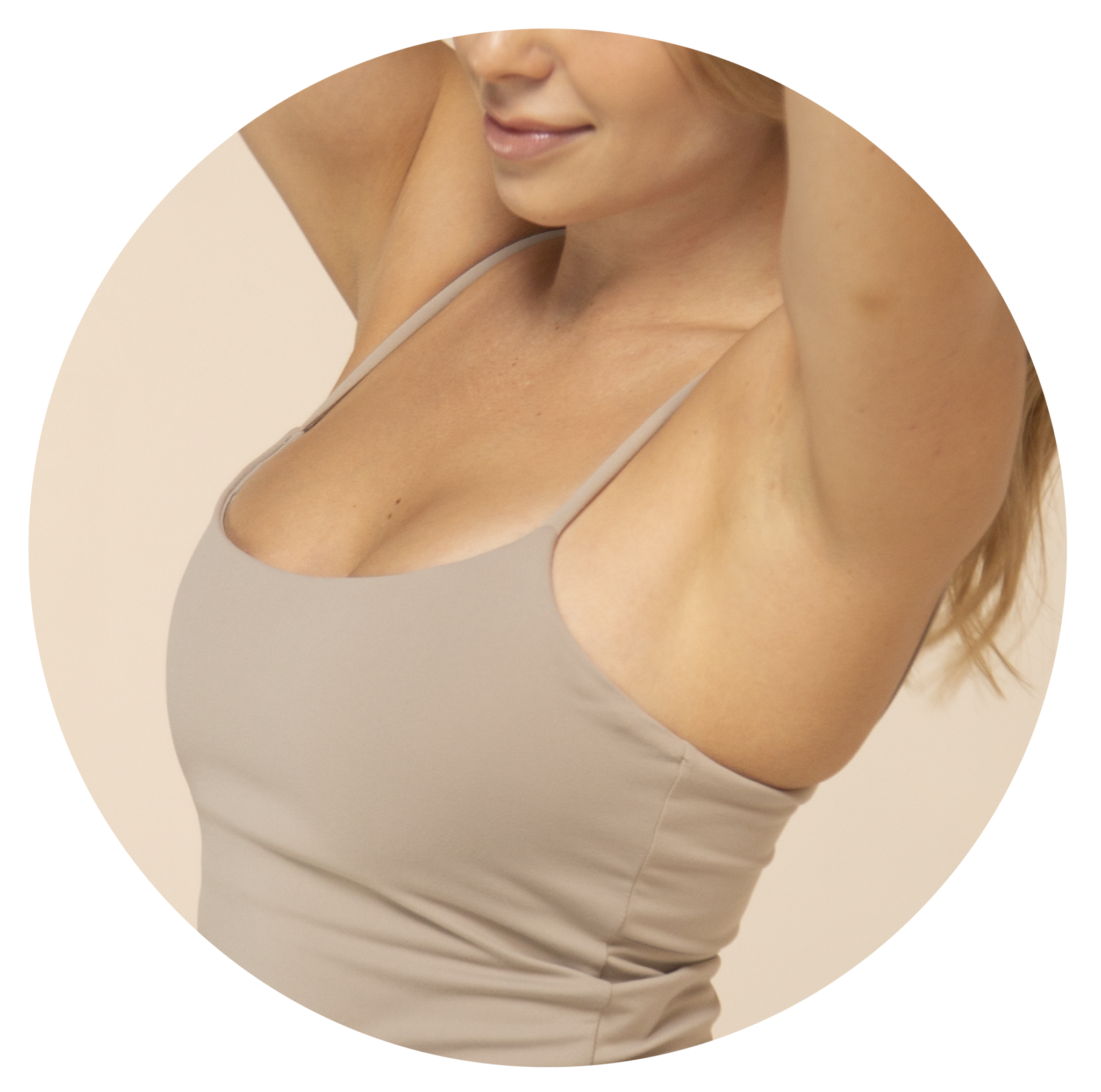
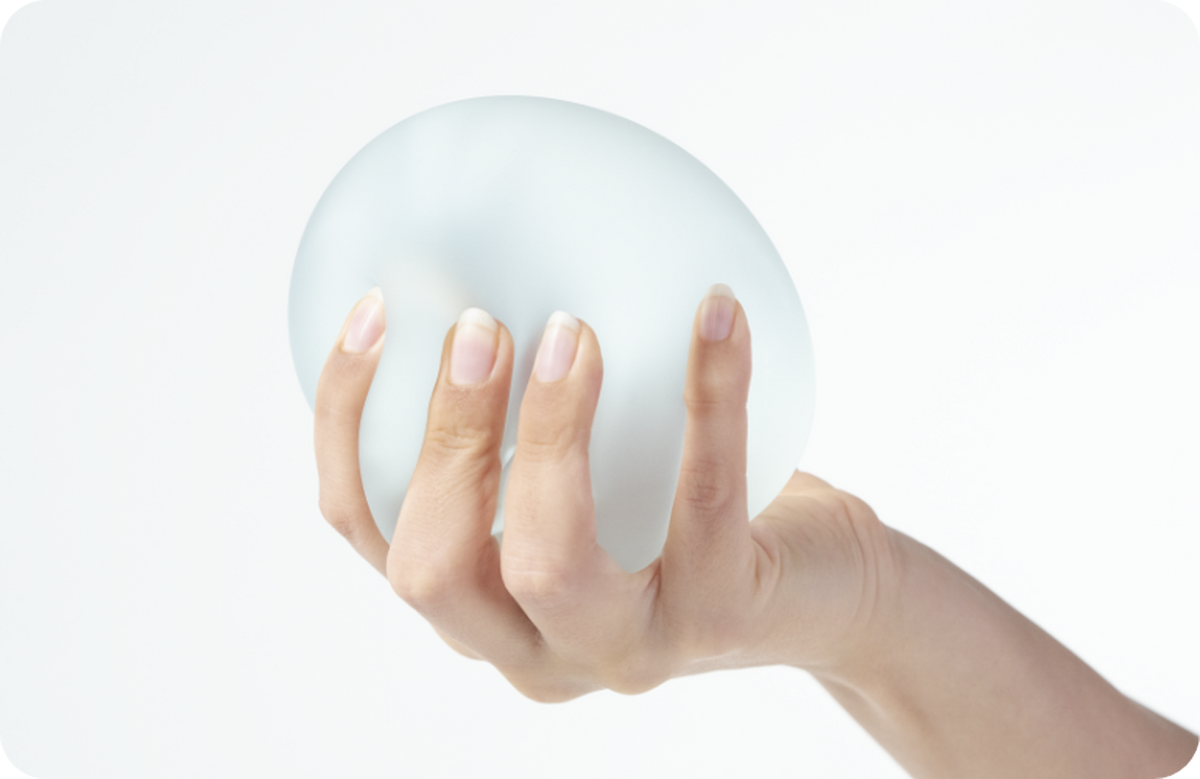
Motiva Ergonomix is a silicone gel breast implant made by Establishment Labs that was designed to adapt its shape in response to body position and gravity. The company describes it as the first breast implant built around the science of ergonomics, meaning it reacts, moves, and feels more like natural breast tissue than conventional implants.
The implant was first introduced internationally in 2014 and has been used in over 100 countries for more than a decade. In the United States, the FDA granted premarket approval for Motiva SmoothSilk Ergonomix (alongside Motiva SmoothSilk Round) in September 2024 for primary and revision breast augmentation in women 22 and older. This was the first new breast implant to receive U.S. FDA approval since 2013.
If you’re considering Motiva Ergonomix for breast augmentation, schedule a consultation to discuss whether this implant matches your anatomy and goals.
How Motiva Ergonomix Works
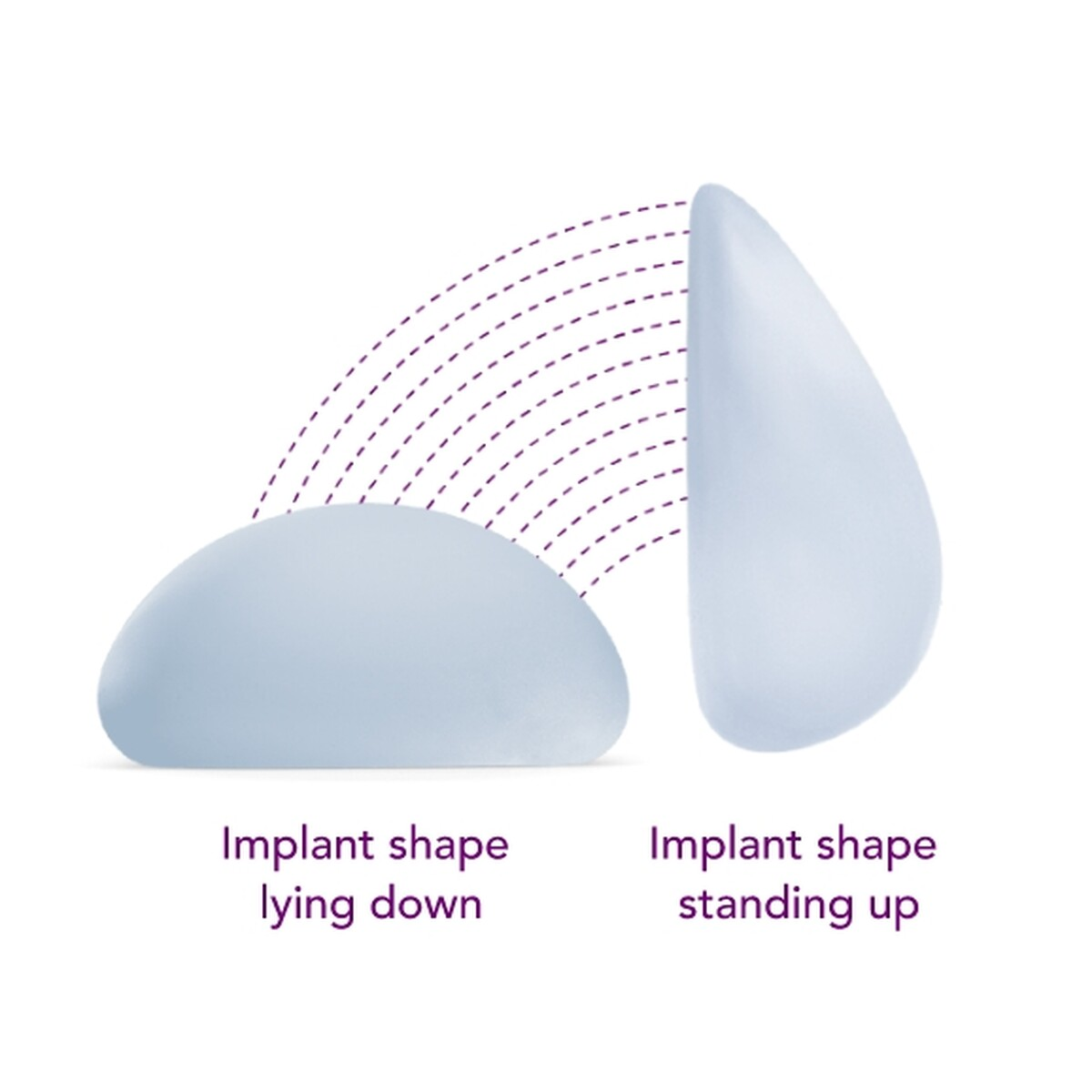
The key distinction of the Ergonomix is its adaptive behavior. It’s technically a round implant, built on a round shell. But inside that shell sits a specialized viscoelastic gel that responds to gravity and movement in real time.
When you’re standing upright, the gel settles downward, creating a natural teardrop silhouette with a gentle slope from the upper pole to a fuller lower pole. When you lie down, the gel redistributes and the implant returns to a rounder shape. This mimics how natural breast tissue actually behaves throughout the day.
This is a meaningful engineering choice. Traditional anatomical (teardrop) implants achieve their shape through a firmer, pre-shaped gel. The tradeoff is that if a teardrop implant rotates inside the pocket, it creates a visible distortion that often requires surgical correction. Because the Motiva Ergonomix starts as a round shell, rotation is a non-issue. The teardrop appearance comes from the gel’s behavior, not from the shell’s fixed shape.
A published blinded study examined whether experienced surgeons could even distinguish between Motiva Round and Ergonomix implants after surgery. Twenty patients undergoing primary subfascial breast augmentation were randomly assigned to receive one type or the other, with standardized techniques and evaluations at 6 and 18 months. The study highlights how close the two implant types can appear in certain placements, while the real differences emerge in how they feel and move.
Core Technologies Inside the Motiva Ergonomix
What makes this implant different isn’t a single feature. It’s a stack of proprietary technologies, each solving a specific problem. Here’s what’s inside and why it matters.
ProgressiveGel Ultima
This is the gel filling inside every Ergonomix implant. It’s a sixth-generation cohesive silicone gel engineered for low viscosity and high elasticity. In plain terms, it’s softer and more responsive than the gels used in most other implants on the market, including Motiva’s own Round implant (which uses the firmer ProgressiveGel Plus).
That softness is what allows the shape-shifting behavior. The gel moves with your body rather than holding one static form. You can read more about the materials used across the Motiva implant line for a deeper comparison.
SmoothSilk Surface
The outer shell of the Ergonomix features a 4-micron nanotextured surface called SmoothSilk. This is important context: older textured implants used aggressive surface roughness of 40 to 90 microns, which has been linked to higher rates of capsular contracture and the rare cancer BIA-ALCL. Motiva’s 4-micron surface is designed to reduce friction, limit bacterial attachment, and lower inflammation while still promoting tissue adherence. It falls into the smooth-category classification despite having a slight nano-level texture.
TrueMonobloc Shell Design
TrueMonobloc refers to the construction method of the shell itself. Rather than welding separate shell pieces together (which creates seams that can become weak points), the Ergonomix shell is built as a single integrated structure. This makes the implant more flexible and durable, and it allows insertion through smaller incisions than many traditional implants require.
BluSeal Barrier Layer
BluSeal is a lightly tinted outer layer made with biocompatible dyes. Its practical purpose is twofold: it acts as an additional barrier against gel bleed (the slow microscopic migration of silicone through the shell over time), and it serves as a visual indicator of shell integrity. If the shell is compromised, the color change makes it easier to identify during imaging or revision surgery.
Qid RFID Microtransponder
Every Motiva Ergonomix implant contains a tiny passive RFID chip called Q Inside Safety Technology (Qid). A handheld scanner can read the chip through the skin without any incision, confirming the implant’s size, type, serial number, and manufacturer. This matters for long-term records, especially in revision scenarios or if a patient changes surgeons over the years.
Motiva Ergonomix vs. Motiva Round
The two implants share the same SmoothSilk surface, TrueMonobloc shell, BluSeal layer, and Qid technology. The differences come down to the gel and the aesthetic result.
Feature | Motiva Ergonomix | Motiva Round |
|---|---|---|
Gel type | ProgressiveGel Ultima (softer) | ProgressiveGel Plus (firmer) |
Shape behavior | Teardrop standing, round lying down | Consistent round shape in all positions |
Upper pole | Gentle, natural slope | Fuller, more projected |
Best aesthetic | Natural, subtle | Augmented, fuller look |
Rippling risk | Very low | Even lower (firmer gel) |
Rotation risk | None (round shell) | None (round shell) |
Ideal candidate | Patients wanting natural movement and shape | Patients wanting consistent fullness |
Patients with thin skin or minimal existing breast tissue often gravitate toward the Ergonomix because its softer gel creates a more gradual transition from chest wall to implant. The Round, with its firmer gel, can be a better choice for very thin patients who want maximum fullness with the lowest possible rippling.
Neither implant is objectively “better.” The right choice depends on your body, your tissue, and the look you want. For a broader comparison across other brands, the guide on Motiva vs. Sientra covers how these implants stack up against another popular option.
Available Profiles and Sizes
Motiva Ergonomix implants come in four projection profiles, each designed for a different relationship between base width and forward projection.
Profile Breakdown
Mini is the lowest projection profile. It creates a subtle, flatter result with a wider base. Available from 105cc to 525cc.
Demi offers moderate-low projection, a step up from Mini with a bit more forward fullness. Available from 135cc to 625cc.
Full provides moderate-high projection for patients who want noticeable but proportional fullness. Available from 145cc to 775cc.
U.S. vs. Global Size Availability
An important detail that catches many patients off guard during research: globally, Motiva offers Ergonomix implants up to 1,050cc. In the United States, the largest FDA-approved options currently top out around 625cc. If you’re considering sizes above that range, this is something to discuss directly with your surgeon. For a detailed visual breakdown, the Motiva profiles and sizes chart covers each option with measurements.
Safety Data at a Glance
The Motiva Ergonomix implant was approved based on five-year data from a structured FDA investigational device exemption (IDE) trial. Here’s what the numbers show.
Capsular Contracture
Five-year clinical data reports a Grade III/IV capsular contracture rate of 0.5% in the primary augmentation group.
Rupture
The five-year suspected or confirmed rupture rate was 0.6%. The BluSeal barrier layer and TrueMonobloc construction are both designed to minimize this risk, though no implant is guaranteed to last forever.
BIA-ALCL
Zero cases of breast implant-associated anaplastic large cell lymphoma (BIA-ALCL) have been reported with Motiva implants across more than three million devices distributed worldwide since 2010. Motiva’s 4-micron SmoothSilk surface sits far below the 40 to 90-micron texturing that has been linked to this rare cancer. A comprehensive look at the safety profile is available in the Motiva safety data overview.
Patient Satisfaction
Clinical trial data shows 97% patient satisfaction at the five-year mark.
Who Is Motiva Ergonomix Best For?
Not every patient is an ideal Ergonomix candidate, and not every surgeon will recommend it for every case. That said, certain patient profiles tend to benefit most.
Patients who want a natural look and feel. The softer ProgressiveGel Ultima gel creates a more gradual slope from the upper pole, avoiding the appearance that some patients associate with traditional high-profile round implants. The adaptive shape adds to the natural movement.
Thin patients or those with minimal breast tissue. Because the Ergonomix gel is softer and the shell is designed for tissue compatibility, it can produce subtle results in patients who don’t have much native tissue to camouflage the implant. Patients considering over-the-muscle placement may find the Ergonomix particularly well-suited.
Revision patients switching from older implants. If you’re exploring a revision, the implant exchange page outlines the process.
Active and athletic patients. Because the implant adapts to position changes, patients who exercise regularly or lead active lifestyles often appreciate the more natural behavior during movement compared to rigid implants.
Patients who may also need a lift. Some women benefit from combining breast augmentation with a mastopexy. The Ergonomix can work well in augmentation with lift procedures where both volume and shape correction are needed.
Preservé patients. Preservé by Motiva exclusively uses the Ergonomix implant.
Common Confusion Points
Is Ergonomix smooth or textured?
Technically, the SmoothSilk surface has a 4-micron nanotexture, but it’s classified in the smooth category. It’s not the aggressive macro-texturing (40 to 90 microns) that’s been associated with BIA-ALCL. Think of it as a surface engineered at the microscopic level to promote tissue compatibility without the risks of old-school texturing.
Is Ergonomix the same as Ergonomix2?
No. Ergonomix2 is the next-generation version featuring improved mechanical properties and next-generation ultra-high purity silicones. It’s designed to work with Motiva’s MinimalScar insertion technique and features a proprietary technology that links shell and gel components into a more cohesive structure. As of mid-2025, the original Ergonomix is the version with FDA approval in the United States. Ergonomix2 is available internationally through programs like Motiva JOY.
Can I get Ergonomix in any size?
In the U.S., the FDA-approved range goes up to approximately 625cc. Globally, sizes reach 1,050cc. If you need something beyond the U.S. range, your surgeon can discuss alternatives.
Is Ergonomix better than Round?
Different, not better. Ergonomix gives a softer, more naturally sloping result that changes with body position. Round provides consistent upper-pole fullness and slightly lower rippling due to firmer gel. The Motiva implants overview page covers both options in the context of a surgical plan.
How does Ergonomix compare to implants from other brands?
Patients often research Motiva alongside Allergan Natrelle and Mentor. The differences span gel technology, shell surface, safety profiles, and warranty structures. The Motiva vs. Allergan comparison breaks this down in detail.
Next Steps
Choosing a breast implant involves matching your anatomy, aesthetic goals, and lifestyle to the right device. The Motiva Ergonomix is one strong option, but the decision requires a physical exam, tissue assessment, and an honest conversation about what results are realistic.
Schedule a consultation with Dr. Mundra to discuss whether Motiva Ergonomix is right for your augmentation or revision goals.
Not sure what to expect? The consultation guide walks through the process step by step.
Frequently Asked Questions
When did Motiva Ergonomix receive FDA approval?
The FDA approved Motiva SmoothSilk Ergonomix in September 2024 for primary and revision breast augmentation in women aged 22 and older. It was the first new breast implant to receive U.S. premarket approval since 2013.
What is the capsular contracture rate with Motiva Ergonomix?
Five-year clinical trial data shows a Grade III/IV capsular contracture rate of 0.5%. A separate meta-analysis across nearly 5,000 patients found a similar rate of 0.54%.
Does Motiva Ergonomix cause BIA-ALCL?
Zero cases of BIA-ALCL have been reported across more than three million Motiva devices distributed globally since 2010. The 4-micron SmoothSilk surface is far below the aggressive texturing associated with this rare cancer.
What profiles are available for Motiva Ergonomix?
Four profiles: Mini (lowest projection), Demi (moderate-low), Full (moderate-high), and Corsé (highest projection). In the U.S., sizes are available up to approximately 625cc.
How does Motiva Ergonomix differ from a traditional teardrop implant?
Traditional teardrop implants use a pre-shaped, firmer gel in an anatomical shell. If they rotate, the shape distorts. Ergonomix achieves the teardrop appearance through an adaptive gel inside a round shell, eliminating rotation risk entirely.
Can Motiva Ergonomix be used for revision surgery?
Yes. The FDA approved it for both primary augmentation and revision. Many patients switch to Ergonomix from older textured implants due to capsular contracture, discomfort, or a desire for a more natural feel.
How long do Motiva Ergonomix implants last?
No breast implant is considered a lifetime device. The FDA IDE study is designed to track outcomes for 10 years, with five-year data showing a 0.6% rupture rate. A post-approval study running through 2037 will provide additional long-term data.