
Tummy Tuck Belly Button Healing Stages 2026: What to Expect
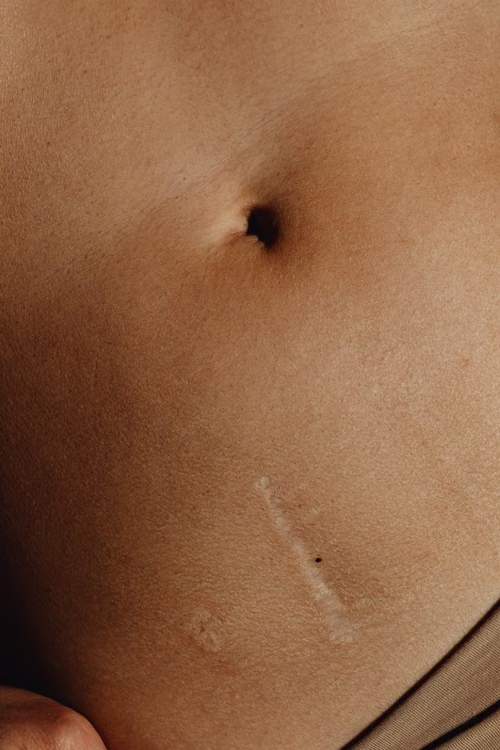
TL;DR
After a tummy tuck, your belly button goes through four distinct healing stages over 6 to 12 months. The first week brings swelling, bruising, and sometimes alarming discoloration that is usually normal. By weeks 4 to 6, the shape starts to emerge, but final results take up to a year. Keeping the area clean and dry is the single most important thing you can do to support healing.
The belly button is a common question patient’s ask about a tummy tuck. It’s the one spot you look at every day, and for the first few weeks, it can look swollen, crusty, dark, and frankly terrible. Most patients wonder if something has gone wrong.
Usually, nothing has gone wrong. The belly button just heals slowly, and its appearance at week two bears almost no resemblance to the final result. This guide walks through each tummy tuck belly button healing stage in detail so you know what to expect, what’s normal, and when to actually worry.
If you’re considering abdominoplasty or are already scheduled, Dr. Leela Mundra’s tummy tuck page covers the full procedure, candidacy, and what recovery looks like from a surgical planning perspective.
How the Belly Button Is Repositioned During Surgery
Understanding what happens during surgery makes the healing stages less confusing. During a full tummy tuck, the belly button is not removed. It stays attached to a structure called the umbilical stalk, which anchors it to the abdominal wall muscles underneath. The surgeon separates the surrounding skin, tightens the abdominal muscles, pulls the remaining skin downward, and then creates a new opening in the repositioned skin where the belly button pokes through.
This is why the belly button has its own incision, its own healing timeline, and its own set of concerns. The skin around it was cut, repositioned, and sutured. Blood supply to that area was temporarily disrupted. All of that explains the swelling, color changes, and slow transformation you see during recovery.
One important distinction: a mini tummy tuck only addresses the lower abdomen below the navel. It does not involve repositioning the belly button at all. If you had a mini tummy tuck, the belly button healing stages described here don’t apply to you. This guide is specifically about the belly button recovery after a full abdominoplasty.
Many patients also combine their tummy tuck with liposuction for additional contouring, which can add to overall swelling but doesn’t significantly change how the belly button itself heals.
Stage 1: Days 1 Through 7 (Acute Recovery)
What You’ll See
The first week is the roughest visually. Your belly button will appear swollen, bruised, and possibly distorted. It may look much smaller than expected, or like it’s buried under puffy skin. Stitches or surgical glue will be visible. Some dark discoloration around the edges is common, along with light crusting.
Swelling typically peaks around day three. By days three through five, the sharpest pain begins to ease, but the belly button area often looks worse before it looks better. The surrounding skin may appear pink, reddish, or have a brownish tinge. All of this falls within the range of normal tummy tuck belly button healing stages.
What to Do
Keep the area covered with the dressing your surgeon placed. Do not peel back bandages to peek unless your surgeon’s instructions say otherwise. Wear your compression garment around the clock. Avoid bending at the waist, and sleep in a reclined position to reduce tension on the incision.
Your surgeon will likely have you keep the area dry for the first few days. When you’re cleared to shower, let warm water run gently over the belly button, pat (never rub) it dry, and apply fresh gauze as directed.
What’s Normal vs. What’s Not
Mild bruising, puffiness, and slight darkening are expected. What requires a same-day call to your surgeon: tissue that is turning progressively darker (especially black or deep purple), an unpleasant or foul smell coming from the belly button, increasing pain that gets worse instead of better, or any pus-like drainage. Signs of belly button necrosis typically appear within the first 3 to 7 days, so this is the window where vigilance matters most.
Stage 2: Weeks 2 Through 3 (Early Healing)
What You’ll See
Swelling starts to come down noticeably during this period. The incision around the belly button begins to close, and any dissolvable stitches will start breaking down. Scabbing around the incision edges is normal, as is mild itching, a sign that new tissue is forming.
By week three, the belly button usually appears flatter and more defined than it did during week one, though it’s still healing and slightly swollen. The scar looks more settled but remains pink or reddish.
What to Do
This is when aftercare habits matter most. Clean the belly button daily with warm water and mild soap. Pat it completely dry afterward. Moisture trapped inside the navel creates an ideal environment for bacteria, which can lead to infection, delayed healing, and odor.
If your surgeon clears you, this is also typically when you can begin silicone scar therapy (gels or tape) on the incision. Starting silicone products once the incision is fully sealed helps improve the appearance of the developing scar.
For a broader look at scar progression across your entire incision, our guide on tummy tuck scar timeline and care covers what to expect month by month.
Stage 3: Weeks 4 Through 6 (Intermediate Recovery)
What You’ll See
This is the stage where things start to look encouraging. Swelling continues to reduce, and the belly button’s shape becomes more natural and recognizable. The area may still appear pink, but scarring begins fading from red toward a lighter tone. The belly button starts to develop some depth and contour.
Most patients can see the general outline of their final belly button shape during this stage, even though refinement continues for months. The scar tissue is still maturing and will continue to soften.
What to Do
Continue keeping the area clean and dry. You can generally resume light exercise (walking, gentle stretching) if your surgeon approves, but avoid core-intensive workouts, heavy lifting, and anything that strains the abdominal wall. The internal sutures holding your tightened muscles are still gaining strength.
Continue silicone scar therapy.
Schedule a consultation with Dr. Leela Mundra if you have questions about your healing trajectory or want a professional assessment of your progress.
Stage 4: Months 3 Through 12 (Long-Term Maturation)
What You’ll See
The final tummy tuck belly button healing stage is the longest and the most rewarding. Over this period, scars flatten, soften, and fade from pink or red toward white or skin-toned. The belly button takes on its final shape: ideally small, vertically oriented, with a slight hood of skin at the top creating natural-looking depth and shadow. Any residual swelling fully resolves. Areas of numbness around the navel gradually improve, though some patients retain mild numbness long-term.
Final results, including complete scar maturation, take 6 to 12 months to fully develop. Some patients see continued subtle improvement even beyond the one-year mark.
What to Do
Stay consistent with scar care. Protect the area from direct sun exposure, as UV light can darken scars permanently. If you’re using silicone sheets or gel, continuing through the 3 to 6 month mark provides the best results based on scar therapy research. At this point, you should be fully cleared for all activities including vigorous exercise.
For patients who combined their tummy tuck with other procedures as part of a mommy makeover, the 3 to 12 month window is when everything comes together and you can appreciate the combined result.
Normal Healing vs. Warning Signs: Quick-Reference Table
This is the table anxious patients actually need. Print it, screenshot it, keep it handy.
Normal (No Action Needed) | Concerning (Call Your Surgeon) |
|---|---|
Mild swelling, especially in the first 2 weeks | Swelling that suddenly increases after improving |
Light pink, reddish, or brownish discoloration | Tissue turning dark purple or black |
Small amount of crusting at incision edges | Thick, yellow, or green discharge (pus) |
Mild itching during weeks 2 through 4 | Foul or unusual odor from the belly button |
Slight asymmetry while swollen | Pain that worsens instead of gradually improving |
Numbness around the navel | Red streaks spreading outward from the incision |
Scar that appears raised or firm early on | Fever above 101°F (38.3°C) |
Belly Button Aftercare Essentials
Good aftercare is the single biggest factor within your control. Here’s what matters during each tummy tuck belly button healing stage:
Cleaning. Wash the belly button daily with warm water and a mild, fragrance-free soap. Use a clean cotton swab or gauze to gently clean inside the navel. Pat dry thoroughly. Moisture is the enemy during healing, trapped water weakens new skin and encourages bacterial growth.
Dressings. Use non-stick gauze pads and change them daily (or more often if they become damp). Your surgeon will tell you when you can stop using dressings altogether.
Showers vs. baths. Showers are fine once your surgeon clears you (usually within the first week). Avoid baths, pools, hot tubs, and any submersion until you’re given explicit permission. This typically happens around 4 to 6 weeks post-op.
Compression garment. Wear it 24/7 as directed. The garment reduces swelling, supports the abdominal repair, and helps the skin conform to its new contour. Many surgeons recommend wearing it for 4 to 6 weeks.
Silicone scar therapy. Once the incision is fully sealed, apply silicone gel or strips to the belly button scar. Continue for at least 8 to 12 weeks for the best results.
Sun protection. Keep the scar out of direct sunlight for the first year. If it will be exposed, use a broad-spectrum SPF 30 or higher. Sun exposure during scar maturation can cause permanent darkening.
For more recovery details and visual guidance, check out the patient education videos on our site.
Key Glossary Terms
Understanding these terms will help you follow your surgeon’s instructions and navigate recovery conversations with confidence.
Umbilical stalk: The internal tissue connection that anchors your belly button to the abdominal wall. During a full tummy tuck, this stalk stays intact while the surrounding skin is repositioned. It’s why your belly button is “yours” and not an artificial creation.
Umbilicoplasty: Surgical reshaping of the belly button. This can be performed during the initial tummy tuck to create a specific navel shape.
Scar maturation: The gradual process over 6 to 12 months during which scars flatten, soften, and lighten in color. This is why surgeons tell you not to judge your results early.
Dehiscence: Wound separation at an incision site. If you notice your belly button incision opening or pulling apart, contact your surgeon immediately.
Compression garment: A snug, medical-grade garment worn after surgery to reduce swelling, support healing tissues, and improve skin retraction. Essential during the first several weeks of tummy tuck recovery.
Frequently Asked Questions
Is it normal for my belly button to look ugly or weird after a tummy tuck?
Yes, completely normal. During the first 2 to 4 weeks, your belly button may look swollen, flat, crusty, or discolored. The appearance at week two is not predictive of your final result. Give it time.
When does the belly button take its final shape?
Most patients see a recognizable shape by weeks 4 to 6, but the truly final result, including scar maturation, takes 6 to 12 months. Some patients continue to notice subtle improvements beyond a year.
Does a mini tummy tuck change the belly button?
No. A mini tummy tuck focuses only on the lower abdomen below the navel. The belly button is not repositioned, and there is no incision around it. If you had a mini procedure, the tummy tuck belly button healing stages in this guide don’t apply to your situation. Learn more about the differences between mini and full tummy tucks.
Should I use a belly button shaper?
Not unless your surgeon specifically recommends one. Belly button shapers are used on a case-by-case basis, typically when the navel appears to be healing too tight or too flat. Inserting anything into your belly button without surgical guidance risks damaging newly healed tissue. Always ask first.
When can I start scar treatment on my belly button?
Most surgeons recommend starting silicone scar gel or tape once the incision is fully sealed. Don’t start earlier than your surgeon advises, because applying products to an open or partially healed wound can delay healing or introduce irritation.
Will pregnancy affect my tummy tuck belly button?
Pregnancy after a tummy tuck will stretch the abdominal skin and muscles, which can alter both the overall tummy tuck result and the belly button’s appearance. Most surgeons recommend completing your family before having a tummy tuck for this reason. A future pregnancy won’t necessarily “ruin” the result, but revision may be needed afterward.
Dr. Leela Mundra, a Harvard Aesthetic Surgery Fellow and plastic surgeon in Denver, takes a meticulous, patient-centered approach to abdominoplasty. If you’re researching tummy tuck belly button healing stages because you’re planning surgery, or because you’re recovering and want guidance, the best next step is a conversation with a qualified surgeon who can evaluate your specific anatomy and goals.
Schedule a consultation to discuss your tummy tuck with Dr. Mundra’s team in Denver.